
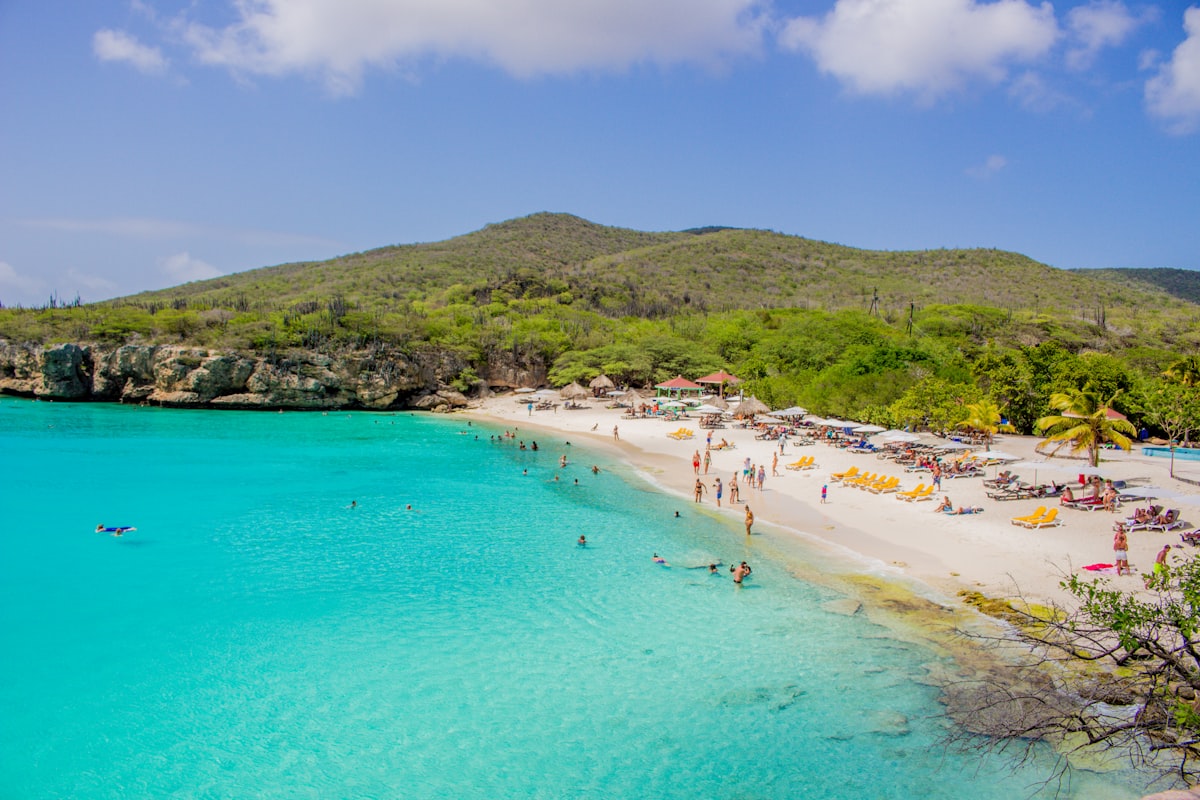
Sixty miles off the coast of Venezuela, three small Dutch islands sit just below the hurricane belt in a permanent bath of trade winds and 82°F sunshine. They're close enough to share a weather pattern but different enough to argue about which one is best. Aruba, Bonaire, and Curaçao (the ABC Islands) offer something almost no other Caribbean destination can promise: year-round warmth with almost zero hurricane risk.
But "year-round warmth" doesn't mean "it's all the same." Each island has its own climate personality, and the difference between a perfect trip and a sweaty, windblown one often comes down to which month you book. We dug into the historical climate data to help you choose the right island at the right time.
Why the ABC Islands Are Different from the Rest of the Caribbean
Most Caribbean islands sit squarely in the hurricane belt, which means June through November comes with a real asterisk. The ABCs don't have that problem. Sitting between 12° and 12.5°N latitude, roughly 500 miles south of the hurricane formation zone, these islands have dodged nearly every major storm in modern history.
The other defining feature is the trade winds. The northeast trades blow across the ABCs almost every day of the year at 15 to 25 mph, sometimes gusting higher. This constant breeze is why Aruba became a windsurfing capital, why the air rarely feels as humid as other Caribbean islands at the same latitude, and why you'll want to bring a hair tie.
Here's the key climate difference between the three: terrain shapes their weather. Aruba is flat and desert-like, so the trade winds blow unobstructed. It's the windiest and driest of the group. Curaçao has hills (Christoffel Peak rises to 1,220 feet) that create wind shadows and trap slightly more moisture. Bonaire splits the difference. Same trade winds, same sunshine, but meaningfully different on-the-ground experiences.
Aruba Climate: The Driest Island
Aruba gets roughly 20 inches of rain per year, making it one of the driest islands in the entire Caribbean. For context, that's less annual rainfall than Phoenix, Arizona. The landscape shows it: think cactus, divi-divi trees bent permanently by the wind, and scrubby desert terrain outside the resort strip.
What this means for your trip: If your priority is guaranteed sunshine and beach days, Aruba is the safest bet in the Caribbean. Rain, when it comes, typically arrives as a brief afternoon shower during October through December and clears within 20 minutes. The rest of the year? Bring sunscreen, not an umbrella.
The trade-off is wind. Aruba's flat terrain means nothing blocks those 15-25 mph trade winds. Eagle Beach and Palm Beach on the west (leeward) coast are sheltered and calm, but step over to the windward side and you'll understand why the divi-divi trees gave up trying to grow straight.
Water temperature: 79–84°F year-round, peaking September through November. Warm enough for hours of snorkeling without a wetsuit, any month.
Curaçao Climate: The Cultural Island with More Layers
Curaçao gets slightly more rain than Aruba, about 22 inches annually, and the rainy season stretches a bit longer, from October into January. But "rainy season" in Curaçao is still drier than a typical summer month in Florida. These are passing tropical showers, not all-day washouts.
The bigger difference is the terrain. Curaçao's hills create microclimates: the northwest coast near Shete Boka National Park gets more windswept spray and feels wilder, while the sheltered coves along the south coast (Playa Kenepa, Cas Abao) are calm enough for lazy snorkeling. The hilly interior stays a few degrees cooler than the coast.
What this means for your trip: Curaçao offers more variety in a single visit. You can dive pristine coral reefs in the morning, explore the UNESCO-listed pastel architecture of Willemstad in the afternoon, and hike Christoffel Park in the cooler early morning hours. The slightly lower wind and extra greenery make it feel more lush than Aruba's desert landscape.
Water temperature: 79–84°F year-round, matching Aruba. Shore diving visibility typically runs 60 to 100+ feet.
Bonaire Climate: The Diver's Island
Bonaire
You'll love itBonaire's entire coastline is a protected marine park, the first of its kind in the world, and its climate is perfectly tuned for diving. Rainfall is similar to Curaçao (about 22 inches annually), with the bulk concentrated from October through January. The rest of the year is reliably dry and sunny.
Wind is the variable here. Bonaire catches the full force of the trade winds on its eastern coast (Lac Bay is a world-class windsurfing spot), while the western coast stays sheltered and glass-calm. That's exactly why the diving is so exceptional on that side. You can literally wade into the ocean from shore with your tank and hit a pristine reef wall within 50 yards.
What this means for your trip: Bonaire is the least developed of the three islands. No cruise ship crowds, no high-rise resorts, no traffic. If your idea of a perfect Caribbean trip is diving twice a day, watching flamingos at the salt flats, and eating dinner at a quiet waterfront restaurant, this is your island. The weather cooperates almost every day of the year.
Water temperature: 78–84°F year-round. Visibility frequently exceeds 100 feet, with the calmest conditions June through October.
Best Time to Visit Aruba, Bonaire & Curaçao: Month by Month
Here's how the seasons break down across all three islands:
Peak Season
Dec – AprFamilies, first-timers, guaranteed sun
Value Season
May – AugWindsurfers, budget travelers, couples
Quiet Season
Sep – NovDivers, budget trips, solitude
December through April: Peak Season (Dry & Comfortable)
This is when most visitors come, and for good reason. Rain drops to near-zero, temperatures hover in the low to mid-80s, and the trade winds blow steadily at 15–20 mph. Strong enough to keep things comfortable but not so strong that your beach umbrella becomes a projectile. Humidity is at its lowest.
The downside: peak pricing. Hotels on Aruba especially can run 2-3x their low-season rates. Curaçao and Bonaire stay more reasonable, even in high season.
Best for: First-time visitors, beach vacations, families, anyone who wants a guarantee of perfect weather.
May through August: Best Value + Strongest Trade Winds
This is the sweet spot for savvy travelers. The weather is virtually identical to peak season (maybe a degree or two warmer, with slightly more chance of a passing shower) but hotel prices drop significantly. The trade winds actually peak during these months, which is a plus for windsurfers and kiteboarding enthusiasts but can make eastern-facing beaches choppy.
June through August is particularly interesting because the rest of the Caribbean enters hurricane season. Travelers who'd normally book the Bahamas, Turks and Caicos, or the Virgin Islands sometimes pivot to the ABCs instead, getting Caribbean warmth without the storm risk.
Best for: Budget travelers, windsurfers, divers (calm western shores), couples looking for fewer crowds.
September through November: The Quiet Season
September and October are the warmest months (highs touching 90°F) with the weakest trade winds and highest humidity. November marks the start of the brief rainy season. This is when you're most likely to see a proper afternoon thunderstorm, though "rainy season" in the ABCs is a mild affair compared to most tropical destinations.
Diving conditions are arguably the best in September and October: calm seas, warm water, and peak visibility. Hotel prices hit their annual low.
Best for: Budget diving trips, travelers who don't mind occasional rain, anyone avoiding crowds.
Aruba vs. Curaçao vs. Bonaire: Which Island Should You Choose?
The weather alone won't decide this. The three islands differ more in personality than in climate.
Choose Aruba if: You want guaranteed sunshine, world-class beaches, a developed resort scene, and don't mind wind. It's the most polished and tourist-friendly of the three. Think Cancún's reliability with a Dutch Caribbean twist.
Choose Curaçao if: You want a mix of culture, diving, food, and beaches. Willemstad is genuinely one of the most photogenic cities in the Caribbean, and the island has enough variety (hiking, cove-hopping, nightlife) to fill a full week without repeating yourself.
Choose Bonaire if: You're a diver or snorkeler first, tourist second. Bonaire is what the Caribbean looked like 30 years ago: undeveloped, reef-first, and refreshingly quiet. If you want to unplug and go underwater, there's nowhere better.
What the Trade Winds Actually Mean for Your Trip
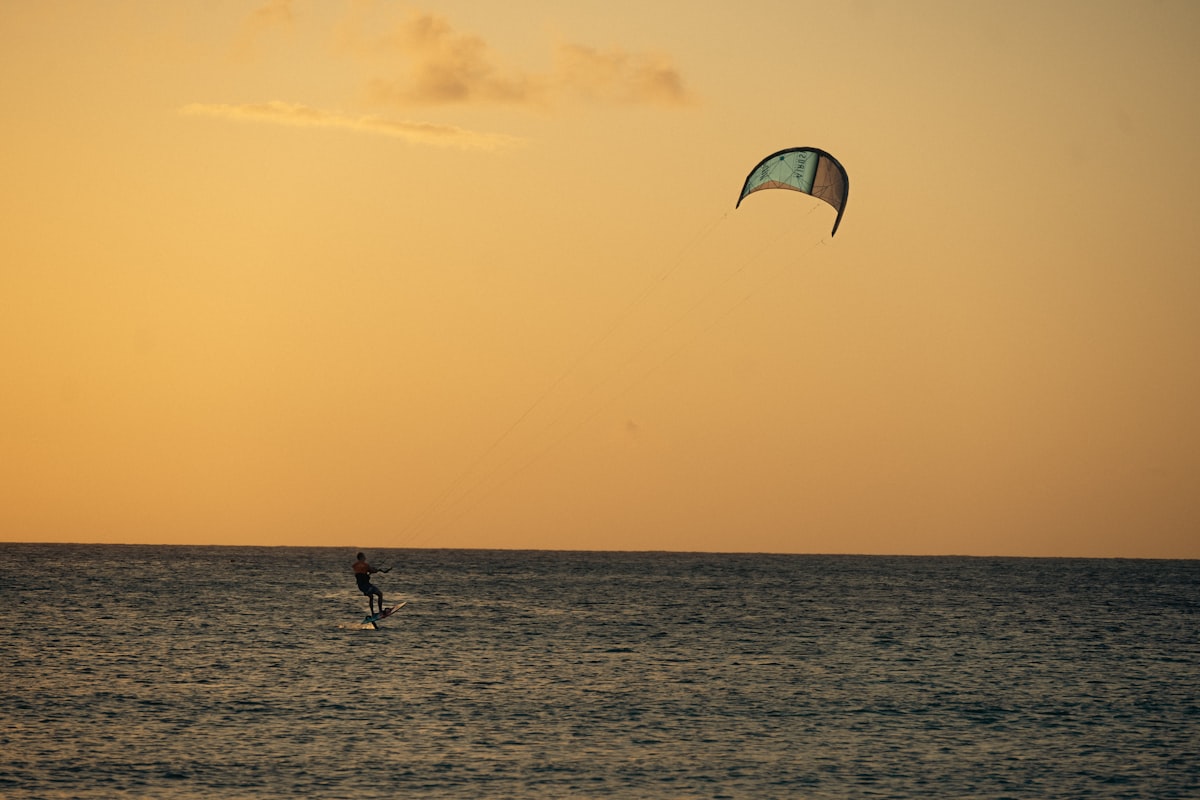
The trade winds aren't just background atmosphere on the ABC Islands. They shape every part of your day, from which beach you pick to which restaurant has comfortable outdoor seating.
The northeast trade winds blow almost every day, averaging 15 to 25 mph, and they affect the islands unevenly. Aruba, being flat, gets the full unbroken force. Curaçao's hills create pockets of shelter. Bonaire sits somewhere in between.
Practical impacts:
- Beach selection: Always go leeward (western coast). The windward (eastern) side has dramatic scenery but rough, churning surf. Aruba's Eagle Beach, Curaçao's Cas Abao, and Bonaire's west coast are all on the calm side.
- Diving & snorkeling: Wind barely matters underwater, but surface conditions on the eastern shores can be rough. Stick to the western dive sites.
- Windsurfing & kiting: The wind is the whole point. Aruba's Fisherman's Huts and Bonaire's Lac Bay are world-famous for it.
- Comfort: The constant breeze keeps the heat index lower than you'd expect for 85°F in the tropics. You'll feel more comfortable on the ABCs than in Cancún or Jamaica at the same temperature.
- Hair & hats: Not joking. Wide-brim hats need a chin strap. The wind is relentless.
Packing for the ABC Islands
Year-round essentials:
- Reef-safe sunscreen (SPF 50+, reapply constantly)
- Lightweight, breathable clothing
- Swimwear that can handle daily use
- Wind-resistant hat or visor with strap
- Polarized sunglasses (for seeing through surface glare while snorkeling)
October through January (rainy season):
- Compact rain jacket or travel umbrella
- Quick-dry clothing
- Waterproof phone case
If you're diving on Bonaire:
- Bring or rent a 3mm shorty wetsuit for longer dives (the water is warm but 60+ minutes underwater adds up)
- Waterproof camera. You will regret not having one.
The Aruba Rainy Season: Is It Really That Bad?
Short answer: no. Aruba's rainy season (roughly October through December) averages about 3 inches of rain per month. That's typically delivered as one or two brief afternoon showers that clear within 30 minutes. Compare that to Miami's summer, which gets 6+ inches per month with daily thunderstorms.
Even during Aruba's wettest month, you'll still get 7 or more hours of sunshine per day. The rain is more of a "put your book down for 20 minutes" interruption than a trip-ruiner. Curaçao and Bonaire see similar patterns, just stretched slightly longer into January.
If you can tolerate a brief daily shower in exchange for 40-60% lower hotel rates and empty beaches, the rainy season is arguably the best-kept secret of the ABC Islands.
The Bottom Line
The ABC Islands are the Caribbean's climate cheat code: warm water, constant sunshine, no hurricanes, and trade winds that keep the heat from getting oppressive. Aruba is the driest and windiest, Curaçao has the most variety, and Bonaire has the best diving. All three are excellent almost any month of the year, but February through April is the sweet spot for peak weather, and May through August is the move if you want peak value.
Pick your island, check the wind forecast, and pack light. The weather down there is more consistent than almost anywhere else in the Caribbean, which means you can spend less time worrying about the forecast and more time in the water.