

Somewhere between the opening whistle in Mexico City on June 11 and the final in New Jersey on July 19, you will experience weather that ranges from San Francisco's 62°F marine fog to the kind of 96°F Dallas heat that turns a stadium parking lot into a skillet. Sixteen cities. Three countries. Thirty-nine days of football across every microclimate North America has to offer.
Nobody talks about weather when they're buying World Cup tickets. They should. We dug into the historical weather data for all 16 host cities so you can pick the right matches, pack the right bag, and show up knowing exactly what's waiting for you outside the stadium.
The Quick Verdict
Los Angeles · Seattle · Vancouver · San Francisco
Mexico City · Boston · Toronto · New York · Philadelphia · Kansas City
Houston · Dallas · Atlanta · Miami · Monterrey
Guadalajara
West Coast: The Comfort Zone
The Pacific coast cities are the clear winners for comfortable match-going weather. Marine influence keeps temperatures moderate, and rain is almost nonexistent in summer.
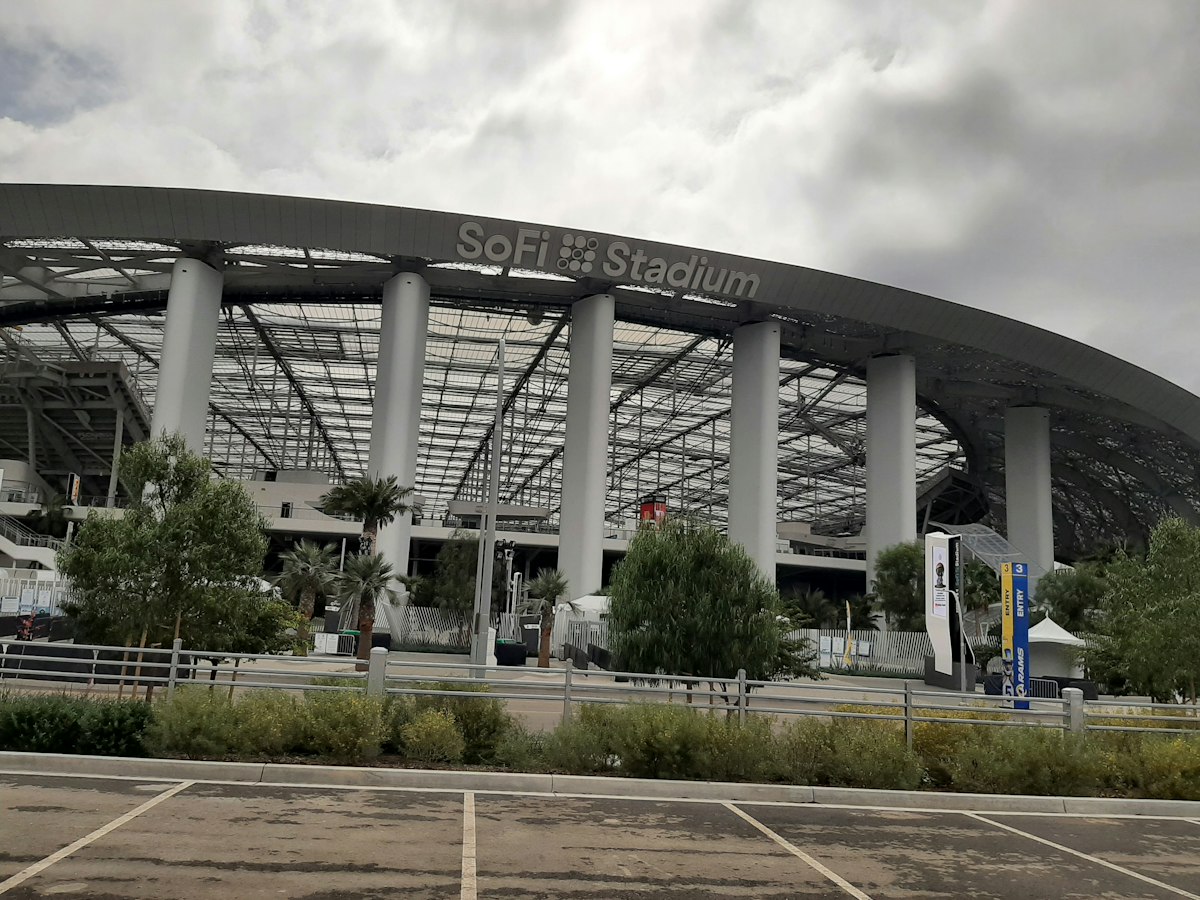
LA's SoFi Stadium will host both semifinals. Expect warm, dry days with coastal fog burning off by late morning. Evenings cool to the mid-60s — perfect for walking back to your hotel after a night match. Sunscreen is non-negotiable; the UV index regularly hits 10+.
San Francisco will surprise visitors expecting California heat. June and July are actually the foggiest months — Mark Twain's famous (misattributed) quote about the coldest winter rings true. Layers are essential. Levi's Stadium in Santa Clara is warmer and sunnier than downtown SF, but you'll still want a jacket for evening kickoffs.
Seattle's best-kept secret: summer is gorgeous. The city that's famous for rain gets fewer rainy days in July than Los Angeles. Expect long daylight hours (sunset after 9pm), comfortable temperatures, and low humidity. Lumen Field is a fantastic venue with mountain views on clear days.
Similar to Seattle but slightly cooler. Vancouver in summer is one of the most pleasant cities in North America. BC Place has a retractable roof, so weather is a non-issue for matches — but plan outdoor exploring around the long, mild days.
East Coast & Midwest: Hot but Doable
These cities bring solid summer weather with higher humidity. You'll be comfortable with some planning — hydrate constantly, seek shade during afternoon matches, and embrace air conditioning.
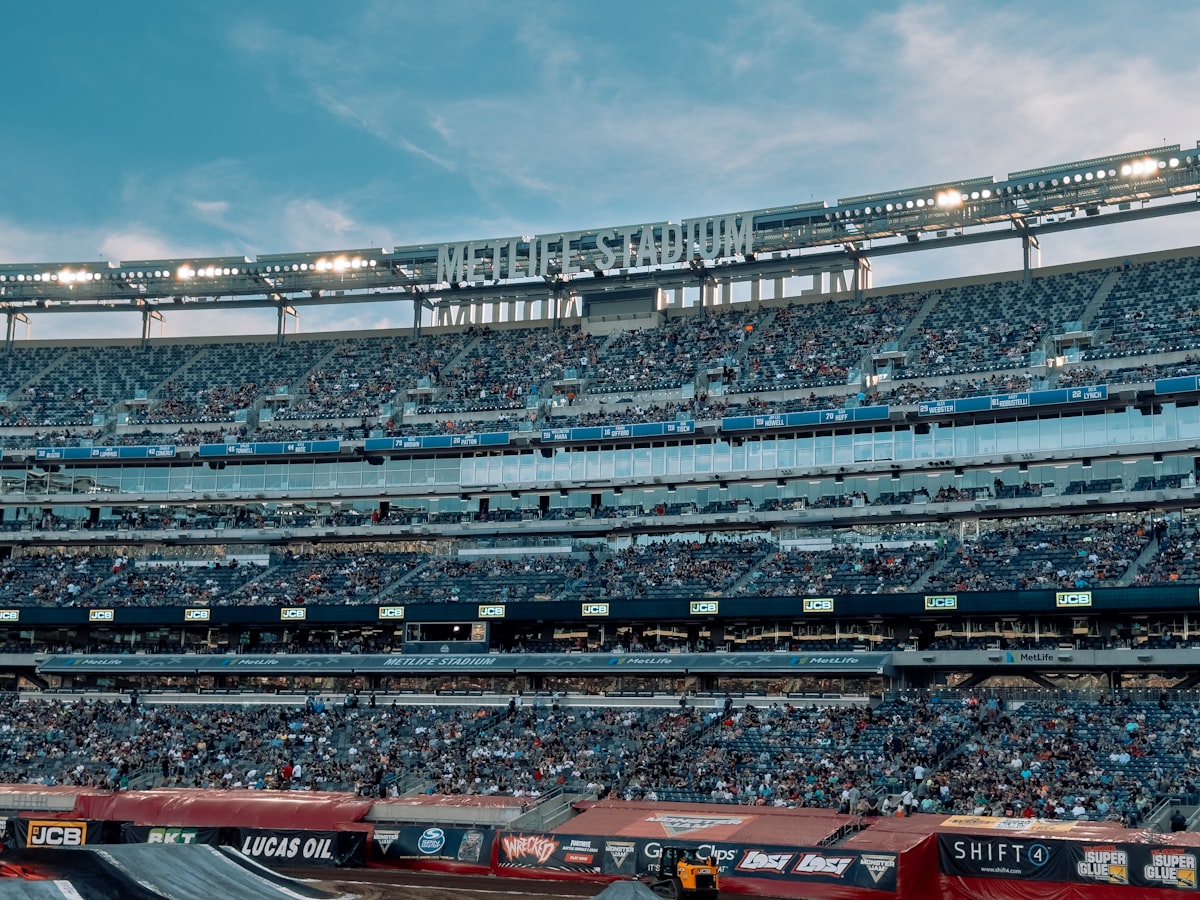
MetLife Stadium in East Rutherford, NJ will host matches in the thick of New York's summer heat. July averages above 80°F with humidity that makes it feel hotter. Stay hydrated at the stadium — there's limited shade for open-air seating. Evening matches will be more comfortable. The upside: New York in summer has unbeatable energy.
Philadelphia is a World Cup sleeper pick — and we say that as locals. Lincoln Financial Field brings NFL-caliber atmosphere to the pitch, and Eagles fans already know how to make a stadium shake. The Linc is fully open-air, so you'll feel every degree of Philly's July heat (expect mid-to-upper 80s with humidity). Evening kickoffs are dramatically more comfortable than afternoon matches. But the real draw is the city itself: walkable, affordable compared to New York, and the food scene punches way above its weight. South Philly tailgates before matches will be legendary — think cheesesteaks on the grill, cold beer, and 60,000 fans who already know how to show up. Get here a day early, explore the art museum steps and Reading Terminal Market, and save your energy for match day.
Boston
Pack smartBoston in summer is warm and walkable, but humidity spikes in July. Gillette Stadium (in Foxborough, 30 miles southwest) can feel hotter than downtown. Afternoon thunderstorms are possible but usually pass quickly. The city itself is one of the best in America for a football trip — compact, historic, great food scene.
Toronto
Pack smartToronto offers a pleasant middle ground. BMO Field sits on the waterfront, which moderates temperatures slightly. Humidity is lower than the US East Coast cities, and evenings cool down nicely. Canada Day (July 1) during the World Cup will make for an electric atmosphere.
Kansas City
Pack smartKansas City in summer is hot and muggy, but Arrowhead Stadium's legendary atmosphere makes up for it. Afternoon highs regularly push into the upper 80s. Summer thunderstorms are frequent and can be intense — they usually roll through and clear out. BBQ after the match is mandatory.
The Heat Belt: Prepare Yourself
These cities will test your endurance. If you're attending matches in June or July here, take the heat seriously — it's not just uncomfortable, it can be dangerous. Plan your days around staying cool.
Miami in summer is essentially tropical. Expect temperatures in the upper 80s to low 90s with suffocating humidity that makes it feel like 100°F+. Hard Rock Stadium is open-air with limited shade. Afternoon thunderstorms are an almost daily occurrence — they blow in fast, dump rain for 30 minutes, and leave everything steamier than before. Hydrate aggressively and wear light, breathable clothing.
The good news: Mercedes-Benz Stadium has a retractable roof and world-class air conditioning. The bad news: everything outside the stadium will be hot and sticky. Atlanta's summer heat is relentless, with afternoon thunderstorms that raise the humidity even higher. Plan your sightseeing for early morning or evening.
Houston
Survival modeHouston in summer is genuinely brutal. It regularly tops 95°F with humidity levels that make the heat index soar past 105°F. NRG Stadium has a retractable roof (thank goodness), but getting to and from the venue will be an endurance test. The city is built around air conditioning — from your hotel to the car to the stadium, minimize outdoor time during peak afternoon hours.
Dallas
Survival modeDallas competes with Houston for hottest World Cup city. AT&T Stadium in Arlington has a retractable roof, but the parking lots and surrounding areas offer zero shade. At least Dallas has slightly lower humidity than Houston. Expect searing afternoon sun and consider arriving early for any day matches.
Monterrey
Survival modeMonterrey sits in a valley surrounded by mountains, which traps heat. Summer temperatures regularly hit the mid-90s. Estadio BBVA is a striking venue but fully open-air. The altitude (1,700 feet) offers marginally less humidity than Houston or Miami, but the direct sun is intense. Evening matches will be significantly more tolerable.
Mexico's Wild Card
Guadalajara
Wild cardGuadalajara earns wild card status because June-July is peak rainy season. The mornings start warm and pleasant, but by mid-afternoon, dramatic thunderstorms sweep through almost daily. Estadio Akron has a partial roof, but the rain is more about logistics (getting to/from the venue, flooded streets) than the match itself. Temperature-wise, it's actually quite comfortable when the sun isn't out. At 5,100 feet elevation, it's cooler than you'd expect for Mexico.
Mexico City
Pack smart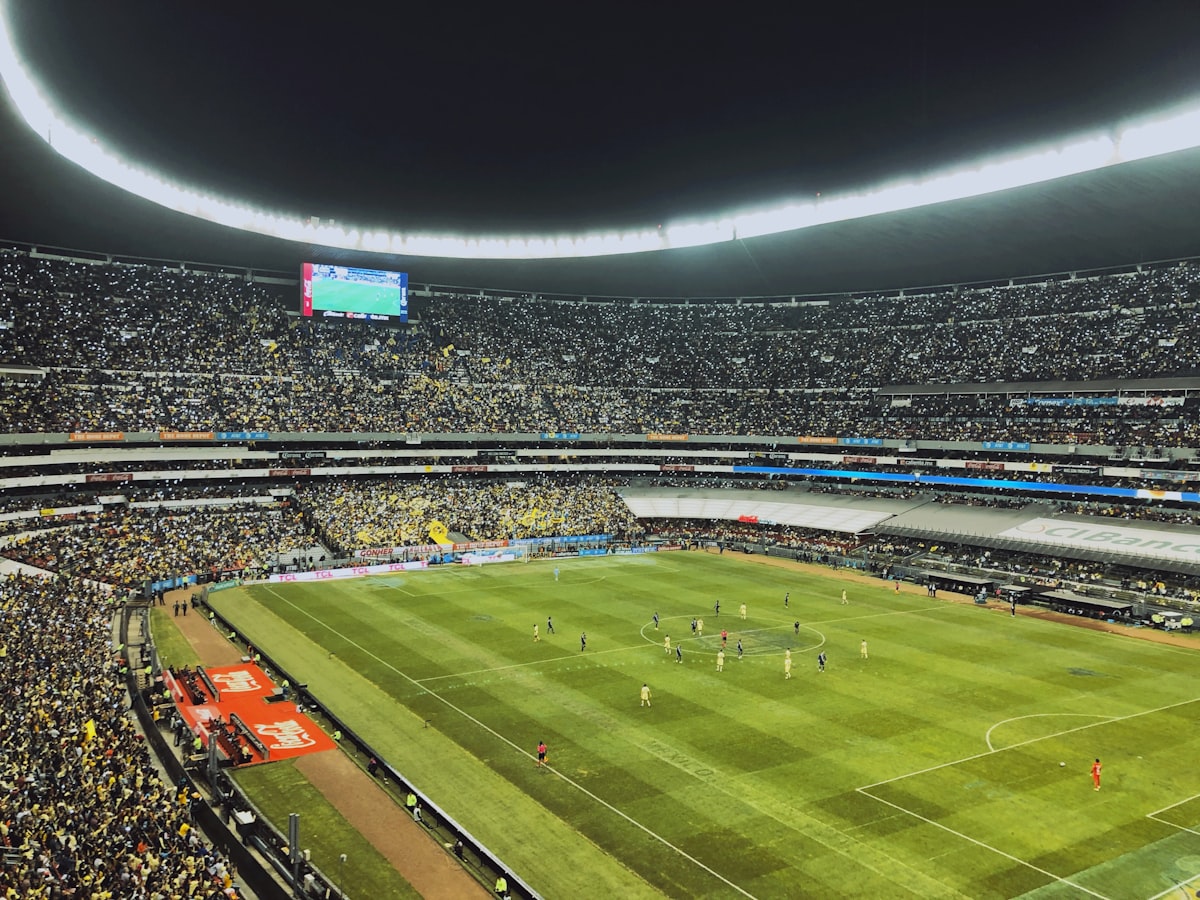
Mexico City is one of the climate surprises of the tournament. At 7,350 feet elevation, it's cooler than most US host cities. Summer highs rarely exceed the upper 70s. The catch: June-July is rainy season, so expect afternoon showers almost daily. Estadio Azteca at altitude can leave sea-level visitors short of breath — give yourself a day to acclimatize. The city itself is incredible for food, culture, and atmosphere.
What to Pack: A Weather Packing List
For West Coast cities (LA, SF, Seattle, Vancouver):
- Layers (especially for SF)
- Sunscreen and sunglasses
- Light jacket for evening matches
- Comfortable walking shoes
For East Coast/Midwest cities (NYC, Boston, Philly, Toronto, KC):
- Light, breathable fabrics
- Rain jacket or compact umbrella
- Sunscreen
- Portable fan or cooling towel
For the Heat Belt (Miami, Atlanta, Houston, Dallas, Monterrey):
- UV-protective clothing
- High-SPF sunscreen (reapply frequently)
- Electrolyte packets
- Cooling towel and portable fan
- Minimal layers — embrace shorts and breathable shirts
For Mexico's rainy cities (Mexico City, Guadalajara):
- Packable rain jacket (essential)
- Quick-dry clothing
- Light layers for Mexico City's cooler evenings
- Comfortable shoes that can handle wet streets
Plan Your Trip Around the Weather
The smartest World Cup travelers will pick their matches based on the weather as much as team schedules. If you have flexibility:
- Chase comfort: Book West Coast group stage matches in June when the weather is most pleasant
- Avoid peak heat: Skip afternoon matches in Dallas, Houston, and Miami if possible — evening kickoffs are dramatically more comfortable
- Embrace Mexico City: It's cooler than most US cities and the atmosphere will be electric
- Layer up for SF: Don't let "California" fool you — June in San Francisco is jacket weather
FIFA Fan Festival Tickets
The Bottom Line
The 2026 World Cup spans three weather zones, two hemispheres' worth of weather patterns, and everything from Pacific fog to Gulf Coast humidity. The difference between a great trip and a miserable one often comes down to picking the right cities and packing for what's actually coming — not what you assume summer means.
Use our weather profiles to check the historical weather data for any host city, and plan accordingly. The football will be memorable regardless; your comfort level is the variable you can control.